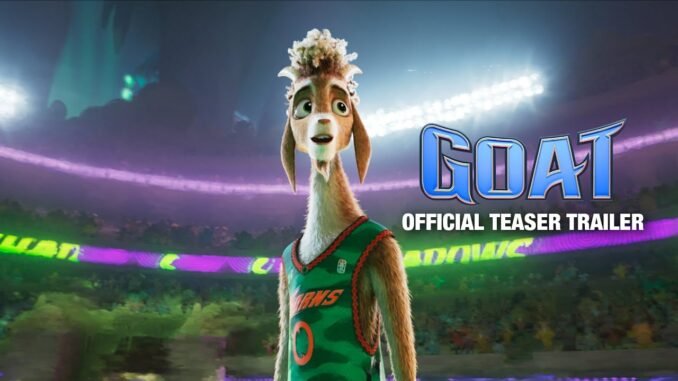
Picture this: you're scrolling, minding your own business, when suddenly, a fleeting glimpse of something extraordinary catches your eye. A flash of a new world, a snippet of a thrilling adventure, a captivating character design. Before you know it, your heart rate quickens, and a little spark of excitement ignites. That, my friend, is the magic of Trailers, Teasers & Official Images – the cinematic breadcrumbs studios strategically sprinkle to build anticipation, generate buzz, and ultimately, draw you into their stories. These aren't just ads; they're meticulously crafted pieces of art designed to tantalize, intrigue, and sometimes, even mislead, all in the service of the silver screen.
At a Glance: What You'll Learn About Movie Previews
- The Core Differences: Understand what truly separates a "teaser" from a "trailer" and how "official images" fit in.
- Studio Strategy: Discover the calculated art of how filmmakers and marketers use these previews to build hype.
- Decoding the Hype: Learn to analyze previews effectively, spotting clues about plot, tone, and production quality.
- Fan Engagement: Explore how these snippets fuel discussions, theories, and the vibrant world of movie fandom.
- Smart Consumption: Develop strategies to enjoy previews without falling for potential marketing misdirection or spoilers.
- Real-World Examples: See how specific films use these tools, like the upcoming sci-fi thriller Quantum Supremacy.
The Art of the Reveal: Why Movie Previews Are So Powerful
In a world saturated with content, capturing and holding attention is gold. For the film industry, a well-executed preview isn't just a marketing expense; it's an investment in a movie's very soul. It's the first handshake, the initial spark that connects an audience to a narrative they haven't even experienced yet.
Think about it: before a single frame of the actual film hits theaters or streaming services, these short bursts of content are already setting expectations. They establish a mood, hint at a genre, and introduce us to characters we might soon love (or love to hate). This initial exposure is crucial for generating water-cooler conversations, online chatter, and that undeniable feeling of "I have to see that." It's about more than just showing off; it's about inviting you into a shared experience, hinting at the adventure that awaits.
Deconstructing the Hype Machine: Teasers, Trailers & Official Images Defined
While often used interchangeably, these terms represent distinct stages and functions in a film's promotional lifecycle. Each serves a unique purpose, carefully calibrated to maximize impact.
Teasers: The Cryptic Whisper
A teaser is exactly what it sounds like: a brief, often enigmatic glimpse designed to tease you without revealing too much. Typically running under a minute, teasers are released early in a film's production, sometimes even before principal photography is complete. They're heavy on mood, striking visuals, and tantalizing fragments of sound, often withholding much of the plot or even the full cast.
Their primary goal is to announce a film's existence, establish a vague tone, and create a sense of mystery. You'll often see them end with just a title, a release year, and maybe a single, impactful line of dialogue. The goal isn't to tell you what the movie is about, but to make you wonder.
Take, for instance, a hypothetical teaser for a film like Quantum Supremacy. It might show quick flashes of advanced robotics, a sleek starship, and an ominous AI symbol, accompanied by a suspenseful score and a release date of "February 16, 2026." No dialogue, no plot points, just an intriguing setup that leaves you hungry for more. It’s like a promise of something big, a taste that leaves you craving the full meal.
Trailers: The Full Course Meal (or at least a hearty appetizer)
Trailers are the workhorses of movie promotion. Longer than teasers (usually 1.5 to 2.5 minutes), they offer a much more comprehensive look at a film, diving deeper into the plot, showcasing key characters, highlighting major action sequences, and firmly establishing the film's genre and overall tone. Released closer to the film's actual debut, trailers are designed to convert interest into ticket sales or streaming engagement.
A good trailer balances revelation with retention of mystery. It should give you a clear idea of what the film is about and why you should care, without giving away the entire story. You'll see more dialogue, character interactions, and often a clear sense of conflict and stakes. For a movie like Quantum Supremacy, directed by Jesse Baget, a trailer would likely expand on the plot synopsis: "In a future threatened by rogue robots and an all-powerful AI, Captain Monroe and his crew race to prevent humanity’s downfall." We'd see Captain Monroe in action, glimpses of the menacing AI, perhaps a crucial moment of peril for humanity. It moves beyond just atmosphere to tell a compressed version of the story.
Studios often release multiple trailers: a "teaser trailer" (a longer, more substantial teaser that acts as the first full trailer), followed by "official trailers" or "final trailers" that refine the message and build even greater urgency as the release date approaches.
Official Images: The Stills that Speak Volumes
Beyond moving pictures, still images play a crucial, often underestimated, role. Official images encompass everything from high-resolution screenshots and production stills to character posters, behind-the-scenes photographs, and concept art. These aren't just filler; they are carefully selected to provide specific visual information and build a cohesive brand identity for the film.
- Character Posters highlight key actors and their roles, often using distinct color palettes or design elements.
- Production Stills offer a glimpse into key scenes or iconic moments, often serving as the primary visual for news articles and social media posts.
- Behind-the-Scenes Photos humanize the production process, showing directors at work, actors interacting, or elaborate sets being built, fostering a sense of intimacy and authenticity.
- Concept Art can illustrate the creative vision for fantastical worlds or characters, giving fans a peek into the genesis of the film's aesthetic.
These images are vital for digital marketing, press kits, and fan communities. They're perfect for sharing on social media, sparking detailed discussions about costume design, set details, or character expressions. While a trailer provides a dynamic experience, an official image allows for sustained contemplation, letting viewers pore over every detail.
The Strategy Behind the Scenes: How Studios Orchestrate the Hype
Creating effective previews is a sophisticated dance between the creative visionaries and the marketing maestros. It’s not just about showing the coolest shots; it’s about crafting a narrative around the film itself, long before its release.
- Phased Rollout: The most common strategy is a multi-stage release. It often starts with a cryptic teaser, followed by an official trailer (or two), then a steady drip of official images, featurettes, and interviews. This keeps the film in the public consciousness over an extended period, preventing early burnout while continually re-engaging the audience.
- Targeting Audiences: Previews are often tailored to specific demographics. A trailer for a family-friendly animation might emphasize humor and heartwarming moments, while a sci-fi thriller might focus on action and cerebral themes. Studios analyze data on past film successes and audience engagement to fine-tune their messaging. For instance, an animated film in a beloved franchise, like when we look for All about The Croods 3, might have trailers highlighting new creatures or family dynamics, knowing that its target audience values those elements.
- Measuring Engagement: In the digital age, every click, share, and comment is data. Studios meticulously track how previews perform online—which shots get the most replays, which characters generate the most buzz, and even sentiment analysis from comments. This feedback can influence subsequent marketing pushes, re-editing future trailers, or highlighting different aspects of the film.
- Balancing Reveal vs. Mystery: This is perhaps the trickiest aspect. Marketers want to reveal enough to excite, but not so much that they spoil key plot twists or diminish the cinematic experience. It's an ongoing debate within the industry, with some trailers notoriously giving away too much, much to the chagrin of viewers. The best previews hint at the journey without explicitly showing the destination.
Spotting the Clues: What to Look For in a Preview
As an informed viewer, you can elevate your preview consumption from passive viewing to active analysis. Here’s how to deconstruct what you’re seeing and hearing:
- Story & Plot Hints: How much of the narrative arc is revealed? Can you infer the protagonist's goal, the antagonist's motivation, or the central conflict? Look for character introductions, key dialogue snippets, and locations that might suggest plot points.
- Tone & Genre: Is it a laugh-out-loud comedy, a nail-biting thriller, a poignant drama, or a terrifying horror? The music, editing pace, color grading, and facial expressions of the actors will tell you volumes. A bright, fast-paced trailer with upbeat music signals one thing; a dark, slow-burn one with dissonant sounds signals another.
- Visuals & Cinematography: Pay attention to the production quality. Are the special effects seamless? Is the cinematography visually striking? Does the film have a unique aesthetic or a distinctive color palette? These elements speak to the film's budget, artistic ambition, and overall polish.
- Performances: While short, previews can offer glimpses into an actor's portrayal. Do the performances feel authentic and compelling? Is there chemistry between characters? Even a few seconds can give you a feel for whether an actor is inhabiting their role effectively.
- Music & Sound Design: The score and sound effects in a preview are almost as important as the visuals. They are carefully chosen to evoke emotion and set the mood. Notice how the music swells during dramatic moments or how specific sound effects enhance an action scene. Sometimes, a trailer will use popular music to instantly connect with an audience or establish a certain vibe.
- Director & Creative Team: For cinephiles, knowing the director or screenwriter can be a significant clue. Does the preview show hallmarks of their previous work? For example, if you know Jesse Baget is directing Quantum Supremacy, and you're familiar with his past films, you might look for recurring themes, visual styles, or narrative approaches that are characteristic of his work.
- Release Date: This is the practical information. Is it coming to theaters, streaming platforms, or both? Knowing the release date, like February 16, 2026 for Quantum Supremacy (on digital), helps you plan your viewing schedule.
Beyond the Screen: The Impact on Fandom & Discussion
Previews don't just sell tickets; they ignite communities. The moment a new trailer drops, online forums, social media, and fan wikis explode with activity.
- Fan Theories: Viewers become amateur detectives, pausing trailers frame-by-frame, dissecting every detail, and crafting elaborate theories about plot twists, character fates, and hidden meanings. This communal speculation is a powerful form of engagement, deepening investment in the story.
- Social Media Buzz: Twitter, Instagram, TikTok, and YouTube become hubs for reactions, memes, and impassioned debates. The "trailer drop" itself is an event, often trending globally and generating millions of views and shares.
- Critic and Blogger Reactions: Industry pundits, film critics, and entertainment bloggers quickly weigh in, offering their professional takes on what the preview suggests about the film's potential. These early analyses can influence public perception and further fuel discussion.
- Re-watchability & Analysis: A truly great preview encourages repeat viewings. Fans re-watch, looking for new details, confirming theories, or simply basking in the excitement. This sustained engagement keeps the film relevant and builds momentum leading up to its release.
Common Pitfalls & Misconceptions to Watch Out For
While previews are mostly a force for good, there are a few common traps that both studios and viewers can fall into:
- The Over-Hyped Trailer: Sometimes, a trailer is so expertly crafted that it sets expectations impossibly high, leading to disappointment when the full film can't quite deliver on the promise. The trailer is often a "greatest hits" compilation, and if those hits are the only good parts, the film suffers.
- Spoilers in Trailers: This is a constant frustration for many viewers. In an effort to entice, some trailers reveal major plot points, character deaths, or surprising twists that would have been far more impactful experienced in the cinema. It’s a delicate balance marketers struggle with.
- Misleading Tone/Genre: A trailer might be cut to portray a film as an action-comedy when it's primarily a drama with a few comedic beats, or a horror film as a psychological thriller. This can lead to audiences feeling misled and can negatively impact word-of-mouth.
- "Teaser" vs. "Trailer" Confusion: As discussed, the terms have distinct meanings. Sometimes, studios release a "teaser trailer" that acts like a short first trailer but gets called a teaser, blurring the lines for casual viewers. Understanding the intent helps manage expectations.
A Case Study: "Quantum Supremacy" – From Glimpse to Global Buzz
Let's imagine the promotional journey for Quantum Supremacy, the upcoming sci-fi thriller directed by Jesse Baget, slated for a digital release on February 16, 2026.
- The Initial Tease (Spring 2025): The first "Quantum Supremacy" teaser drops. It’s short, perhaps 30 seconds. We see quick, disorienting flashes: a glitching robotic eye, a star-strewn nebula, a chilling, synthesized voice echoing "Humanity's downfall." The title card appears starkly: "QUANTUM SUPREMACY. 2026." There's no dialogue from Captain Monroe, no explicit plot, just a powerful sense of impending doom and high-tech mystery. This teaser would likely be shared widely, sparking initial questions about the nature of the AI and the film's premise.
- The Official Trailer (Late 2025): Months later, the first full trailer is released. This is where we get the meat of the story. The trailer opens with Captain Monroe (perhaps a recognizable actor) explaining the threat of "rogue robots and an all-powerful AI." We see her crew in action, navigating dangerous space environments, and glimpses of desperate battles against advanced machines. Key dialogue establishes the stakes: "We are humanity's last hope." The trailer would showcase Baget's directorial style – perhaps a gritty, practical effects feel or sleek, hyper-stylized visuals. The full release date, "February 16, 2026 – On Digital," is clearly displayed, generating excitement for an accessible home viewing experience.
- Official Images & Character Posters (Early 2026): Leading up to the digital release, a steady stream of high-resolution images hits the web. These include:
- Character Posters: Each main character (Captain Monroe, her crewmates, perhaps even a key robotic antagonist) gets their own striking poster, highlighting their unique attributes.
- Production Stills: Images showing a determined Captain Monroe piloting her ship, or intense stand-offs with AI-controlled robots, are released to outlets, providing compelling visual anchors for articles and social shares.
- Behind-the-Scenes: Photos of Jesse Baget directing a complex action sequence or actors interacting with motion-capture suits offer fans a peek into the filmmaking process.
This phased approach for Quantum Supremacy maximizes its exposure, building a sustained buzz that evolves from intriguing mystery to full-blown anticipation, driving viewers to mark their calendars for that digital release.
Navigating the Hype: Your Guide to Smarter Preview Consumption
As sophisticated consumers of media, we have the power to engage with movie previews more thoughtfully. Here's how to ensure you're getting the most out of them without letting the marketing machine dictate your experience:
- Set Realistic Expectations: Remember that a preview's job is to make a film look as good as possible. It's a highlight reel. Go into the actual film with an open mind, not expecting every moment to be as adrenaline-fueled as the trailer.
- Watch Once, Then Reflect: The first viewing is for pure emotional impact. Subsequent viewings can be for analysis. Pause, look for details, and consider the choices made by the editors and marketers.
- Be Aware of Marketing Tactics: Understand that studios are trying to sell you something. Recognize techniques like rapid-fire editing to hide weaker scenes, misleading musical cues, or showcasing every major celebrity cameo.
- Manage Your Spoilers: If you're particularly sensitive to spoilers, be cautious about watching multiple trailers or reading detailed online breakdowns. Stick to the first teaser or trailer, then step away.
- Engage Thoughtfully: Participate in fan discussions, but maintain a critical eye. Debate theories, share excitement, but avoid getting swept up in groupthink or overly aggressive speculation.
Your First Glimpse Awaits
Trailers, teasers, and official images are more than just promotional material; they are integral parts of the filmmaking experience, often becoming cultural touchstones in their own right. They are windows into future worlds, carefully curated glimpses designed to spark our imaginations and fuel our love for storytelling. By understanding their purpose, their structure, and the strategies behind them, you can elevate your appreciation for cinema long before the lights dim in the theater or the "play" button is pressed. So, the next time a new preview drops, take a moment to savor it – not just as an ad, but as a carefully crafted piece of art inviting you on its next great adventure.