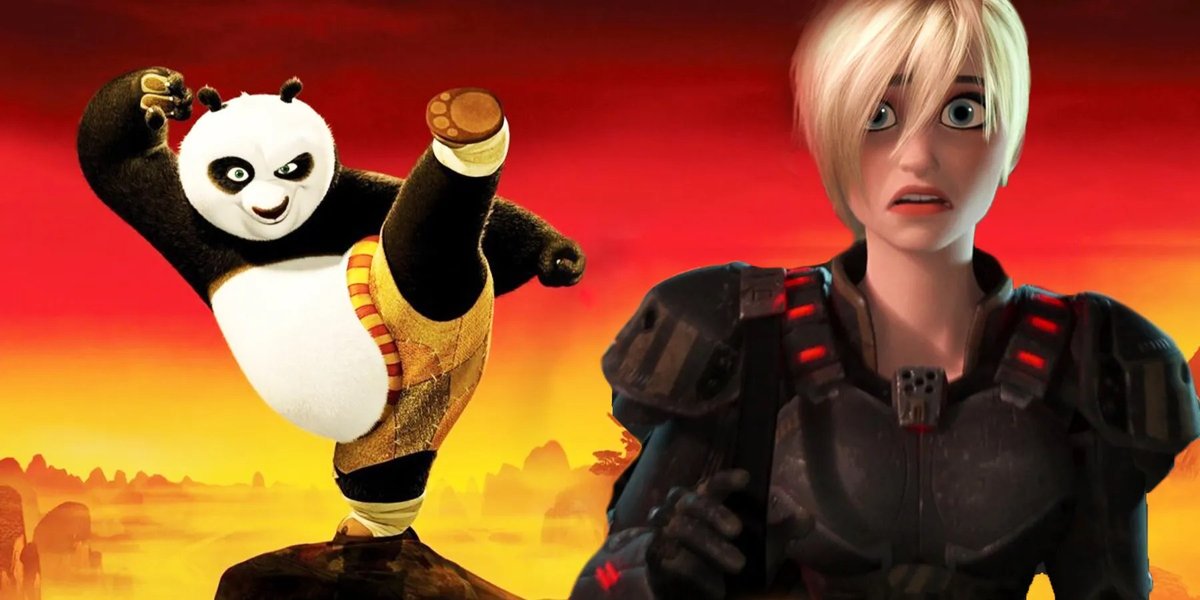
Few things captivate us quite like a well-told story, and at the heart of every unforgettable narrative lies the transformative power of its Cast, Characters & Voice Actors. They are the alchemists who turn ink on a page into living, breathing entities, whether through a subtle glance on screen or the resonant timbre of a voice in your ear. It’s an intricate dance where talent, vision, and technology converge to create magic, making us laugh, cry, and believe in worlds beyond our own.
At a Glance: Unpacking the Magic Behind the Mic and Screen
- Characters are the Soul: They are the blueprint—the emotional and narrative core—around which stories revolve.
- The Cast is the Vessel: Live-action actors embody characters visually and audibly, translating text into tangible performance.
- Voice Actors are the Unseen Maestros: They breathe life into characters purely through vocal artistry, often without their physical presence being seen.
- A Symbiotic Relationship: A character’s potential is fully unlocked only when a skilled actor or voice actor imbues them with personality, emotion, and distinctiveness.
- More Than Just Lines: Both forms of acting require deep character study, emotional intelligence, and technical precision to deliver compelling performances.
- Industry Evolution: From animation and video games to audiobooks and AI integration, the landscape for these artists is constantly expanding and evolving.
The Unseen Architects: Why Cast, Characters & Voice Actors Matter So Much
Think about your favorite fictional universe. What stays with you? It's likely the characters – their quirks, their struggles, their triumphs. But these characters aren't born fully formed; they are carefully written, designed, and then, crucially, performed. Without the right cast or voice actors, even the most brilliantly conceived character can fall flat, remaining a static idea rather than a dynamic presence.
Consider the intricate balance: writers craft the character’s essence, directors shape their arc, but it’s the performers who infuse them with humanity, making them relatable, terrifying, or inspiring. They translate abstract concepts into concrete expressions, allowing us to connect deeply with a story. This symbiotic relationship is the bedrock of compelling storytelling, making the roles of the cast, characters & voice actors indispensable.
Crafting a Persona: From Script to Soul
Bringing a character to life is far more complex than simply memorizing lines or speaking into a microphone. It's a deep dive into psychology, motivation, and the very fabric of a fictional being.
What Makes a Character "Real"?
Before any actor steps in, the character exists primarily on the page, shaped by a writer's vision. A "real" character isn't necessarily realistic in the sense of being human-like, but rather believable within their own context. They possess:
- Clear Motivations: What do they want? Why do they want it?
- Internal Conflicts: Their personal struggles, doubts, and contradictions.
- External Conflicts: The obstacles they face in the story world.
- A Distinct Voice: How they speak, their mannerisms, their unique perspective.
- An Arc: How they change (or resist change) over the course of the narrative.
Visual design plays a huge role here, especially in animation and video games. A character's appearance can convey personality, history, and even their moral alignment before they utter a single word. But it's the performance that bridges the gap between visual design and emotional resonance.
The Actor's Touch: Bringing Nuance to the Role
For live-action actors, embodying a character is a full-body experience. Every gesture, facial expression, and movement contributes to the portrayal. They must internalize the character's backstory and motivations to react authentically in the moment. This process often involves extensive research, method acting, or drawing on personal experiences to inform the performance.
The distinction between live-action and voice acting can seem vast, but the fundamental principles of character study and emotional truth remain the same. While one relies on physical presence and the other on pure vocalization, both demand a profound understanding of the role. Even voice actors often perform with their entire bodies in the booth, using physical movement to inform their vocal delivery. It's not just about sound; it's about embodying the character from head to toe, even if only the sound waves are captured.
The Voice Actor's Secret Language: More Than Just Talking
In a world increasingly dominated by animated films, video games, audiobooks, and dubbed international content, the art of voice acting has surged into the spotlight. These artists are masters of illusion, creating entire personalities with nothing but their vocal cords and imagination.
The Art of Voice Acting Defined
Voice acting is the craft of performing characters, narrations, or voiceovers using only the voice. It's about bringing emotion, intention, and distinctiveness to a character through vocal manipulation, without the benefit of visual cues from the performer's body. Where a live-action actor has their face and posture, a voice actor has pitch, pace, tone, timbre, and volume. They must convey every nuance of a scene—anger, joy, fear, contemplation—solely through sound.
Many dedicated platforms, like Behind The Voice Actors, aim to provide a "visual and audible experience" of these artists and their roles. This highlights the desire of audiences to connect the often-unseen talent with the beloved characters they create. It’s a testament to how impactful a voice performance can be, moving us to seek out the person behind the sound.
Techniques and Tools of the Trade
Becoming a skilled voice actor requires a highly specialized toolkit:
- Vocal Range and Versatility: The ability to create multiple distinct voices, from booming giants to squeaky mice, or subtle variations for nuanced human characters.
- Breath Control: Essential for sustaining long lines, delivering emotional intensity, and preventing vocal fatigue.
- Pitch, Pace, Tone, and Volume Control: Precisely manipulating these elements to convey character age, emotion, and situational context.
- Articulation and Diction: Clear, precise speech, even when portraying characters with unique speech patterns or accents.
- Microphone Technique: Understanding how to work with a microphone to achieve desired sound quality and expressiveness, including proximity effects and plosive control.
- Emotional Recall and Embodiment: Tapping into real emotions to infuse performances with genuine feeling, even when the character is fantastical. This often means physically acting out the scene in the booth to help the vocal performance.
- Sight Reading: The ability to perform a script effectively on the spot, a crucial skill for auditions and quick turnaround projects.
Types of Voice Work
The landscape of voice acting is incredibly diverse:
- Animation: Perhaps the most iconic, where voice actors become the entire persona of cartoon characters.
- Video Games: A particularly demanding field, requiring extensive vocal stamina, the ability to record fragmented lines out of context, and often integrating with motion capture.
- Commercials: Delivering concise, persuasive messages with specific tones and energies.
- Narration: Guiding listeners through documentaries, corporate videos, or educational content with authority and clarity.
- Audiobooks: Bringing novels to life, often performing multiple characters within a single story.
- Dubbing: Providing new vocal performances for foreign-language films and TV shows, requiring careful synchronization with on-screen lip movements.
- Podcasts and Radio Dramas: Pure auditory storytelling, where the voice carries the entire narrative weight.
The physicality of voice acting is often underestimated. Recording intense battle scenes for a video game can leave a voice actor hoarse and exhausted, while channeling a villain's evil cackle might mean contorting their body in ways that support the sound. It's a full-contact sport for the vocal cords.
The Casting Conundrum: Finding the Perfect Fit
Identifying the right cast, characters & voice actors for a project is an art form in itself. A casting director acts as a matchmaker, seeking the alchemy between script and talent.
The Director's Vision: Matching Voice/Actor to Character Essence
Every director has a vision for their characters, sometimes very specific, sometimes open to interpretation. The casting process aims to find performers who not only understand this vision but can elevate it. It's not just about a pretty face or a recognizable voice; it’s about finding someone who is the character, or who can convincingly become them. This involves considering:
- Emotional Range: Can the actor convey the required breadth of emotions?
- Authenticity: Do they bring a believable quality to the role?
- Chemistry: How do they interact with other actors in the ensemble?
- Typecasting vs. Against Type: Sometimes the perfect fit is an unexpected choice that reveals a new dimension of the character.
Auditions: The Proving Ground
Auditions are where theory meets practice. Actors perform scenes, often multiple times, taking direction and showcasing their versatility. For voice actors, this typically means reading "sides" (portions of the script) in a sound booth, sometimes even improvising. Casting directors and producers listen intently for:
- The "Spark": That intangible quality that makes a performance stand out.
- Interpretive Skills: How well the actor understands the subtext and intention of the lines.
- Coachability: Their ability to take direction and adapt their performance.
Chemistry Reads: The Ensemble Effect
For projects with an ensemble cast, "chemistry reads" are crucial. These are auditions where potential cast members read together to see how their personalities and acting styles mesh. A strong individual performance can sometimes be overshadowed by a lack of chemistry with co-stars, proving that storytelling is often a team sport.
The Star Power vs. The Right Fit Debate
In larger productions, there's often a tension between casting a big-name celebrity for their drawing power and finding the absolute best, perhaps lesser-known, actor for the role. While celebrity voices can boost visibility for animated films or video games, they don't always guarantee a superior performance. Many iconic animated characters have been voiced by career voice actors who dedicate their lives to the craft, proving that skill often trumps fame when it comes to truly inhabiting a character.
Beyond the Booth: The Impact and Legacy of Iconic Performances
The cultural footprint left by memorable characters and their performers is immense. They become touchstones, referenced in everyday conversation and woven into the fabric of shared experience.
Shaping Pop Culture
From Darth Vader's menacing baritone (James Earl Jones) to Homer Simpson's iconic "D'oh!" (Dan Castellaneta), these performances transcend their original medium. They influence how we speak, what we meme, and how we imagine new stories. A powerful performance can elevate a good character to legendary status, forever linking the actor to the role in the public consciousness.
The longevity of these characters often depends on the consistent quality brought by the original cast, characters & voice actors. When a character's voice changes, it can be jarring for audiences, underscoring the deep connection formed between listener and performer.
The Unsung Heroes: Acknowledging the Often-Overlooked Talent in Voice Acting
While live-action stars often garner widespread recognition, voice actors, despite their profound impact, often remain in relative anonymity. Yet, without their tireless work, many of our most beloved animated worlds, video game sagas, and audio experiences simply wouldn't exist as we know them. The industry has made strides in recent years to highlight these artists, but they continue to be the unsung heroes of countless productions. Their ability to transform into multiple distinct characters within a single project, sometimes without receiving individual credit for each role, speaks volumes about their dedication and skill.
The Business Side: Agents, Unions, Contracts
Behind the artistic endeavors lies a complex business structure. Actors and voice actors often work through agents who help them find auditions, negotiate contracts, and navigate the industry. Unions like SAG-AFTRA (Screen Actors Guild – American Federation of Television and Radio Artists) play a vital role in protecting performers' rights, ensuring fair wages, safe working conditions, and residuals (payments for repeat broadcasts or uses of their work). Understanding these structures is crucial for anyone looking to enter the profession, or simply to appreciate the complexities behind every credit roll.
Navigating the Landscape: Common Questions & Misconceptions
The world of cast, characters & voice actors can seem glamorous and mysterious. Let's clear up some common misunderstandings.
"Isn't voice acting easy money?"
Absolutely not. Voice acting is a highly competitive, demanding profession requiring immense talent, training, and resilience. It involves long hours, vocal strain, constant auditions, and often working in isolation. While top-tier voice actors can command impressive fees, the vast majority work hard for every gig, constantly honing their craft. It's a challenging career path, far from "easy money."
"Do voice actors look like their characters?"
Rarely, and it's largely irrelevant! A voice actor's physical appearance has almost no bearing on their ability to create a compelling vocal performance. The magic lies in their vocal range, emotional depth, and ability to embody a character purely through sound. While some actors might share a passing resemblance, it's coincidence, not a prerequisite.
"What's the difference between dubbing and original voice work?"
Original voice work is when an actor records the dialogue for a character as part of the initial production (e.g., an American actor voicing an American animated character). Dubbing, on the other hand, involves replacing existing dialogue in one language with new dialogue in another. This requires not only translating the script but also precisely timing the new lines to match the character's lip movements on screen, a highly technical and nuanced skill.
"How do I get into voice acting?"
It's a journey! Start with acting classes (theater, improv, scene study), then specialize in voice-over training. Develop a versatile demo reel, learn about home studio setup, and network within the industry. Like any performance art, it requires continuous learning and persistence.
The Future of Performance: AI, Deepfakes, and New Frontiers
The industry of cast, characters & voice actors is at the cusp of significant technological shifts. Artificial intelligence, particularly in text-to-speech synthesis and voice cloning, is rapidly advancing. This presents both exciting opportunities and ethical dilemmas.
While AI voices can efficiently handle repetitive tasks (like automated messages or basic narration), they currently lack the emotional nuance, spontaneity, and human connection that skilled actors bring. However, the use of AI to replicate an actor's voice (deepfakes) or to generate new performances using their likeness raises critical questions about consent, intellectual property, and fair compensation. The conversation around these technologies is ongoing, shaping future contracts and industry standards.
Despite these advancements, the demand for human performance remains. Directors and audiences continue to value the unique artistry, improvisational skill, and emotional authenticity that only human cast, characters & voice actors can provide. Technology is more likely to augment their work, creating new tools and platforms, rather than fully replacing the irreplaceable human element of storytelling. This could mean more roles involving motion capture or new forms of interactive storytelling where the actor's performance is dynamic and adaptive. If you're looking forward to new animated adventures, like Everything about The Croods 3, you can be sure that human talent will still be at the heart of bringing those characters to life.
Appreciating the Art: How to Be a More Discerning Audience Member
As you consume more media, developing a keen eye (and ear) for the craft of performance can profoundly enhance your enjoyment.
- Listen Actively: Pay attention to a voice actor's subtle choices—a slight change in pitch to convey insecurity, a quickening pace to build tension, or a specific accent to define a character's background. These details are intentional.
- Observe the Nuances: For live-action, notice how an actor uses their body, eyes, and even silence to communicate. A well-placed pause can speak volumes.
- Explore Cast Lists: Take a moment to look up who voiced your favorite animated character or who played a compelling role in a foreign film. You might be surprised to find the same talent across many projects, often in wildly different roles.
- Compare Language Dubs: If available, watch a scene in its original language and then in a dubbed version. Notice how different voice actors interpret the same character and emotional beats. This can offer a fascinating insight into the art of interpretation and adaptation.
- Seek Out Behind-the-Scenes Content: Many productions offer glimpses into the recording booth or rehearsal spaces, providing invaluable context on the creative process and the effort involved.
Continuing the Story: Your Guide to Deeper Appreciation
The magic of storytelling isn't just in the words on a page or the images on a screen; it's in the profound connection forged when cast, characters & voice actors infuse a narrative with life. They are the conduits for emotion, the architects of personality, and the keepers of countless worlds we hold dear.
Next time you lose yourself in a compelling series, a thrilling video game, or an immersive audiobook, take a moment to truly appreciate the incredible skill and dedication behind the voices and faces bringing those characters to vibrant, unforgettable life. Their work enriches our imaginations, deepens our empathy, and reminds us of the enduring power of human creativity. Dive deeper, listen closer, and you’ll discover a whole new layer of appreciation for the artistry that shapes our stories.